Pickle juice is more than just a tangy leftover from your favorite snack—it’s packed with surprising health benefits. From soothing muscle cramps to supporting gut health, this briny liquid has gained attention as a natural remedy. Discover why pickle juice deserves a spot in your health routine with these amazing benefits.
1. Replenishes Electrolytes and Hydrates the Body

Pickle juice contains key electrolytes such as sodium and potassium—minerals essential for maintaining fluid balance, nerve transmission, and muscle function. After intense physical activity or exposure to heat, the body loses electrolytes through sweat.
Consuming a small amount of pickle juice can help restore those levels quickly, making it an efficient hydration aid. For athletes or individuals engaged in prolonged physical activity, this can be particularly valuable.
2. Helps Alleviate Muscle Cramps
Pickle juice is widely recognized for its rapid relief of muscle cramps. Research suggests that its sharp acidity triggers a nerve reflex in the throat, which may disrupt the cramping signal from the nervous system to the muscles.
This makes pickle juice not only effective but also faster than traditional hydration methods in certain cases. Many athletes now turn to it as a natural alternative to commercial muscle relief products.
3. Supports Digestive Function
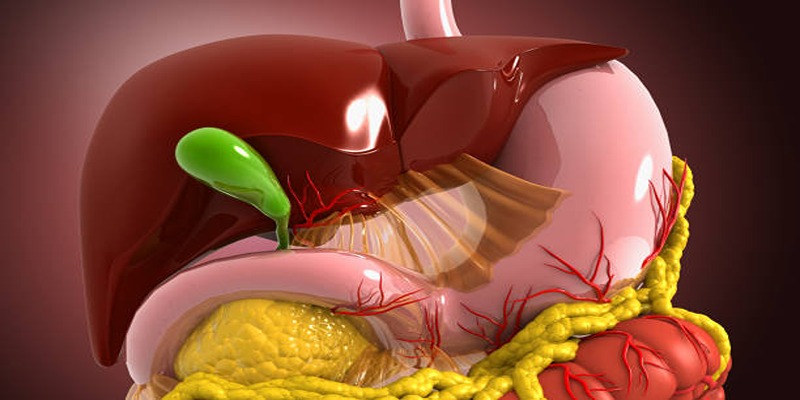
The vinegar content in pickle juice may enhance digestive efficiency by promoting the production of stomach acid. Proper stomach acid levels assist in breaking down food and absorbing nutrients more effectively.
In addition, naturally fermented pickle juice—made without synthetic vinegar—may also contain probiotics, which are beneficial for maintaining a healthy gut microbiome and supporting regular digestion.
4. May Help Regulate Blood Sugar Levels
Emerging studies have indicated that vinegar may help control blood sugar spikes by slowing the rate at which carbohydrates are broken down and absorbed into the bloodstream.
In this context, drinking a small amount of vinegar-rich pickle juice before meals may help stabilize energy levels and support overall metabolic balance, especially useful for those mindful of blood sugar fluctuations.
5. Aids in Quenching Sugar Cravings
The intense salty and sour flavor of pickle juice may help suppress the desire for sweet snacks. It stimulates the taste buds in a way that can reduce appetite for sugary foods, making it a supportive option for individuals aiming to moderate their sugar intake.
Its low-calorie nature adds to its appeal as a guilt-free alternative to high-sugar beverages or processed snacks.
6. Promotes Faster Recovery Post-Exercise
Pickle juice is becoming a go-to recovery beverage for fitness enthusiasts and athletes due to its ability to accelerate post-exercise recuperation. Intense physical activity often results in the loss of essential electrolytes—particularly sodium and potassium—through sweat. These minerals are critical for muscle function, hydration balance, and nerve transmission. When these nutrients are depleted, fatigue, cramping, and prolonged recovery can follow.
Drinking pickle juice after exercise helps replenish these lost electrolytes more quickly than plain water. The presence of vinegar in the brine may also aid in reducing muscle soreness by decreasing inflammation and helping flush out lactic acid—the compound that builds up in muscles during strenuous activity and contributes to fatigue.
7. Contains Natural Antioxidants
Pickle juice made with ingredients such as garlic, dill, and mustard seeds often contains natural antioxidants like vitamin C and vitamin E. These compounds play a vital role in neutralizing free radicals—unstable molecules that can damage cells over time.
Including antioxidant-rich foods and beverages in your diet contributes to overall health and supports immune function, cellular repair, and skin vitality.
8. May Ease Occasional Bloating
Bloating and digestive sluggishness can be uncomfortable and disruptive. Pickle juice may offer a gentle, natural solution.
How Does Cuckle Juice Support Digestion?
The vinegar base in pickle juice stimulates the production of stomach acid and digestive enzymes, which are essential for efficiently breaking down food.
Combat Gas and Bloating:
When digestion slows down—especially after heavy or rich meals—gas and bloating can occur. A small amount of pickle juice before or after eating may help stimulate the digestive process, enabling food to move more smoothly through the gastrointestinal tract.
Promote Regular Bowel Movements:
The salt in pickle brine may help draw water into the intestines, encouraging regular bowel movements and reducing feelings of heaviness or discomfort.
A Natural Alternative to OTC Solutions:
Unlike harsh over-the-counter products that may cause dependence or irritation, pickle juice provides a milder, more natural way to support digestion. It promotes the body’s digestive functions without disrupting internal balance.
9. Soothes Throat Discomfort
Pickle juice's acidic and salty profile may help reduce mild throat irritation. It has been traditionally used as a home remedy to ease throat discomfort by helping cut through mucus and creating an environment less conducive to harmful microorganisms.
While not a substitute for professional care when needed, sipping a small amount of pickle juice may provide temporary relief for minor throat discomfort.
10. Offers Versatility in Everyday Use

Beyond its nutritional and functional properties, pickle juice offers remarkable versatility in the kitchen. It can be easily integrated into a wide range of recipes to add a burst of flavor while simultaneously offering health benefits.
Here are a few practical ways to incorporate pickle juice into your daily routine:
- As a salad dressing base: Mix with olive oil, herbs, and a touch of mustard for a zesty vinaigrette that’s rich in flavor and electrolytes.
- In marinades: Its natural acidity makes it a great tenderizer for proteins such as poultry, seafood, or tofu.
- To boost soups and stews: Just a splash can deepen the flavor profile and enhance savory dishes.
- In dips and sauces: Add to creamy or yogurt-based sauces for an added tang.
- As a flavor enhancer for roasted vegetables: Drizzle a small amount over vegetables post-roasting to brighten their taste.
Using pickle juice in creative culinary ways allows you to enjoy its benefits without needing to drink it straight. It becomes not just a health tonic but also a dynamic ingredient in a health-conscious kitchen.
How Much Is Safe to Consume?
While pickle juice is generally safe for most people, moderation is essential due to its high sodium content. For general wellness, 1 to 3 tablespoons per serving is typically sufficient. Individuals following a low-sodium diet should consult a healthcare professional before adding it regularly.
Always choose pickle juice made from natural ingredients. Avoid varieties with artificial dyes, preservatives, or high levels of added sugars.
Smart Ways to Incorporate Pickle Juice:
- Post-Workout Shot: Sip 2–3 tablespoons after heavy sweating or endurance activity.
- Salad Dressing Base: Mix with olive oil and herbs for a tangy, nutrient-rich vinaigrette.
- Flavor Booster: Add a splash to soups or stews to deepen savory notes.
- Marinade Ingredient: Use it to tenderize and flavor proteins such as poultry or tofu.
Conclusion:
Pickle juice, once considered waste, is now being embraced for its numerous health-promoting properties. Whether you're seeking better hydration, faster muscle recovery, or digestive support, this flavorful brine provides a surprisingly effective solution. Incorporating pickle juice into your wellness routine doesn’t require major lifestyle changes. Even small servings can offer measurable benefits when used thoughtfully.