Building stronger, more defined glutes isn’t just about aesthetics—it’s also key for improving posture, enhancing athletic performance, and supporting overall lower body strength. From bodyweight exercises to weighted movements, the right workouts can activate and transform your glute muscles. Here, we’ve curated the top 10 exercises to help you achieve your goals.
1. Glute Bridges
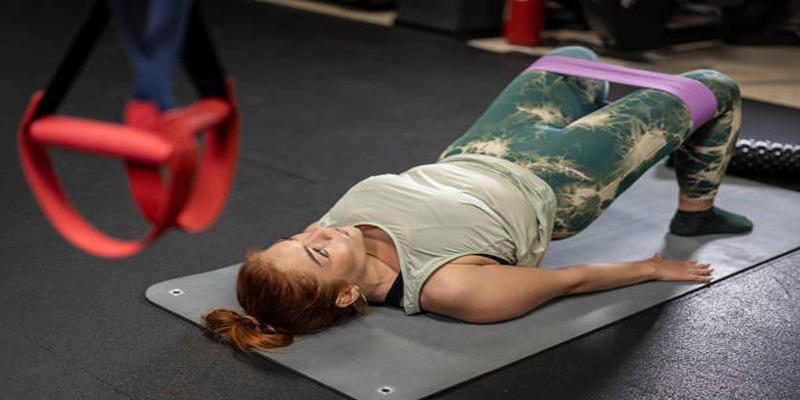
Glute bridges are an effective isolation exercise that directly targets the glutes, especially the gluteus maximus. They're beginner-friendly and require no equipment.
How to Perform:
- Lie down on your back with your knees bent and your feet set hip-width apart.
- Root your heels on the floor and bring your hips to the ceiling.
- Squeeze your glutes on top and hold for a second then go slowly back on the ground.
Tip: Avoid arching your back. Engage your core to protect your spine.
2. Hip Thrusts
Hip thrusts allow for a deeper range of motion and stronger glute activation compared to standard bridges.
How to Perform:
- With the upper part of your back on a bench, sit on the ground.
- Roll a barbell or put a weight plate on your hips (p.s.).
- Hold your knees and make yourself firmly stand on the ground.
- Force your heels down to bring your hips up straight.
- Stop a moment on the top and then proceed downward.
Tip: Drive through your heels, not your toes, to maximize glute involvement.
3. Bulgarian Split Squats
This single-leg exercise enhances glute activation, balance, and leg strength. It also isolates the working leg more effectively than regular squats.
How to Perform:
- Stand a few feet in front of a bench.
- Step it up! Place one foot behind you on the bench and get ready to feel the burn.
- Slowly lower your back knee toward the ground, keeping your front knee perfectly aligned over your foot—feel the burn and stay steady!
- Press through the front heel to return to standing.
Tip: Keep your chest upright and avoid letting the front knee cave inward.
4. Step-Ups
Step-ups mimic real-world movements like climbing stairs and are great for developing unilateral glute strength.
How to Perform:
- Stand facing a sturdy bench or box.
- Step up with your right foot, pushing through the heel to lift your body.
- Bring the left foot up, then step back down.
Tip: Use a bench that allows your thigh to be parallel to the ground or higher when your foot is on it.
5. Sumo Squats
With a wider stance, sumo squats put more emphasis on the inner thighs and glutes.
How to Perform:
- Stand with feet wider than shoulder-width and toes slightly turned out.
- Sink into a squat by bending your knees and pushing your hips back—feel the burn and power up those legs!
- Drive through your heels to return to standing.
Tip: Hold a dumbbell or kettlebell in front of you for added resistance.
6. Walking Lunges
Walking lunges build strength, coordination, and symmetry between the legs. They activate the glutes with each forward step.
How to Perform:
- Stand upright and step forward with your right leg.
- Lower your body until both knees form 90-degree angles.
- Push off your back foot and step forward into the next lunge with your left leg.
Tip: Maintain an upright torso and ensure your front knee doesn't extend beyond your toes.
7. Donkey Kicks
Donkey kicks target the upper glutes and help improve hip mobility. They're effective with just body weight or with added resistance bands.
How to Perform:
- Start in a tabletop position (hands under shoulders, knees under hips).
- Lift one leg, bend your knee at 90 degrees, and push your foot upward like you’re reaching for the stars!
- Lower and repeat before switching sides.
Tip: Avoid swinging your leg. Focus on controlled movement and glute contraction.
8. Frog Pumps
Frog pumps are excellent for activating the gluteus maximus and are especially useful for high-rep burnout sets.
How to Perform:
- Lay back, bring the soles of your feet together, and let your knees gently fall open. Relax and feel the stretch!
- Keep your feet close to your hips.
- Press your hips upward by squeezing your glutes, then lower.
Tip: Use a resistance band around your thighs for added difficulty.
9. Clamshells
Clamshells strengthen the gluteus medius, which supports hip stability and improves movement efficiency.
How to Perform:
- Lie on your side with knees bent and stacked.
- Keeping feet together, lift the top knee as high as possible.
- Lower back down and repeat before switching sides.
Tip: Use a looped resistance band above the knees for more tension.
10. Romanian Deadlifts (Bodyweight or Weighted)
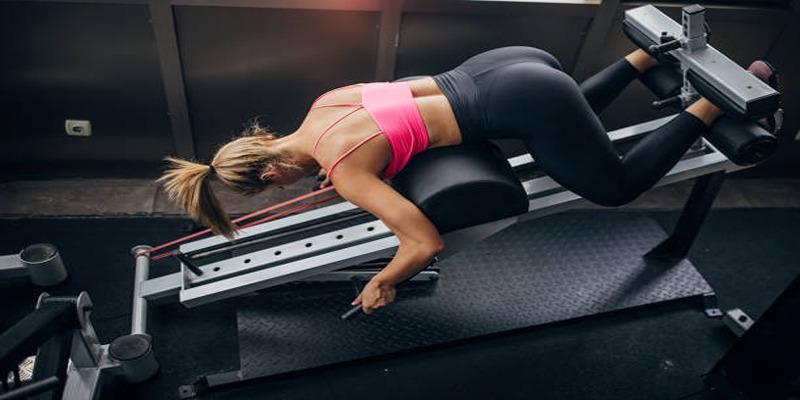
Romanian deadlifts develop posterior chain strength, focusing heavily on the hamstrings and glutes.
How to Perform:
- Begin by standing with your feet hip-width apart, ensuring your knees are slightly bent to maintain stability and reduce strain on your joints.
- If you'd like to add resistance, hold a pair of weights, such as dumbbells, in front of your thighs with an overhand grip. Keep your arms straight but not locked, allowing for a comfortable and controlled range of motion.
- Hinge at your hips by pushing them backward as though you're reaching for something behind you. Keep your back straight and your core engaged to prevent any rounding or arching.
- To return to the starting position, drive through your heels, engaging your hamstrings and glutes as you come back up to standing. Squeeze your glutes at the top to complete the movement while keeping your posture tall and stable.
Tip: Keep the movement slow and controlled, avoiding any rounding of the back.
Glute Training Tips for Maximum Results:
- Prioritize Form Over Weight: Improper form can shift focus away from the glutes and lead to strain or injury. Start with bodyweight or light resistance to master each movement.
- Mind-Muscle Connection: Focus mentally on squeezing your glutes during each repetition. This neurological engagement improves muscle activation.
- Increase Time Under Tension: Slowing down the eccentric (lowering) portion of an exercise increases muscle engagement, leading to greater strength and definition.
- Don’t Skip Warm-Ups: Activate your glutes before a workout using light exercises like banded bridges or monster walks. This ensures the glutes are fully engaged during main lifts.
- Allow Recovery: Muscles grow during rest. Train your glutes two to three times per week, allowing at least 48 hours between sessions for optimal recovery.
Conclusion:
Glute training is more than a trend—it's a foundation for strength, balance, and athletic performance. These top 10 workouts provide a versatile toolkit, whether you're training at home or in the gym. With consistency, proper technique, and progressive overload, you can achieve stronger, more defined glutes that enhance both your form and function. Avoid rushing the process—strength and shape come with time, effort, and dedication.