It is good to build your dream house but what is the actual cost involved in doing it? No matter whether you are building a small cottage or a spacious manor, it is important to know the aspects, which influence home construction budget most significantly. This blog will discuss the big components that will affect cost and thus enable you to plan better and not get caught off-key during your project.
The Cost of Building a House
It differ greatly and these are dependant on the location, design, materials, and others cost of building a single-family home in the US. The average price is between 150,000 and $500,000 and custom houses usually cost more than a million dollars. These prices are determined by the size of the home to be done, the labor rates at the given locations and the quality of materials utilized. These are the key factors that increase these costs by a closer inspection.
Key Factors That Influence Home-Building Costs
Location
Where you build your home plays a significant role in determining the overall cost. Here's how location matters:
- Land Costs: The price of land varies dramatically depending on the city or region. For example, land in metropolitan areas like San Francisco is more expensive than rural locations in the Midwest.
- Local Labor and Material Costs: Construction workers' wages and material prices can fluctuate based on supply and demand in specific areas.
- Permits and Fees: Each city or county has its own set of building permit requirements and associated costs. These can range from a few hundred to several thousand dollars.
Size and Design
Bigger houses and custom designs come with bigger price tags. Here's why:
- Square Footage: More space means you'll need more materials and labor. The average cost to build a home per square foot is usually between $100 to $200, but high-end homes often exceed this range.
- Custom Features: Unique elements like vaulted ceilings, open layouts, or intricate designs increase complexity and cost.
- Architectural Services: Hiring an architect to create a tailored design will add to your budget, typically costing between 5% to 15% of the total construction cost.
Materials
The type and quality of materials you select can significantly affect how much you’ll spend:
- Standard vs. Luxury: Basic materials like vinyl siding are more affordable than high-end options like stone or brick. Similarly, laminate flooring costs less than hardwood.
- Sustainability Options: Eco-friendly features, such as solar panels or energy-efficient windows, may have higher upfront costs but can yield long-term savings.
- Global Supply Chain: Delays in supply chains and fluctuations in material prices, like lumber or steel, can also impact your budget.
Labor and Construction Costs
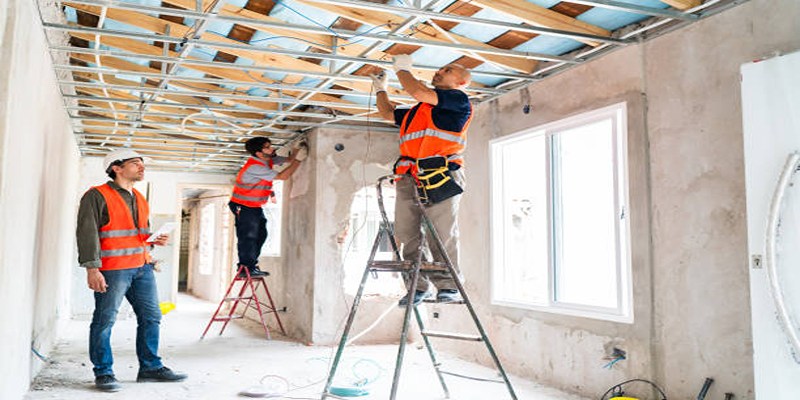
Labor accounts for 30% to 50% of the total cost of building a house. Consider these points:
- Local Labor Rates: Areas with higher costs of living generally have higher construction labor rates.
- General Contractor Fees: Many people hire general contractors to manage their building projects. Expect them to charge 10% to 20% of the total project cost.
- Specialized Labor: Adding features like pools, custom cabinetry, or intricate tile work may require skilled specialists, which can increase the labor cost.
Site Preparation and Infrastructure
Before construction begins, the building site needs to be prepared. Factors that can add to your costs include:
- Land Grading and Excavation: Uneven or rocky terrain may need more preparation, increasing costs.
- Utility Connections: Installing water, electricity, and sewer lines is another expense to consider. If your land is off-grid, these costs can be substantial.
- Foundation Costs: Depending on your soil conditions and house design, foundation work could require additional investment.
Interior Finishes
The finishing touches make your house feel like a home, but they also influence your budget:
- Kitchens and Bathrooms: These are often the most expensive spaces to equip due to appliances, plumbing, and high-quality finishes. A custom kitchen alone can cost upwards of $25,000.
- Flooring and Paint: Choices like premium hardwood flooring or custom paint add to the overall cost.
- Fixtures and Lighting: High-end fixtures or unique lighting designs will also increase expenses.
Miscellaneous and Hidden Costs
Finally, don’t forget the "unexpected" expenses that often arise during home construction:
- Contingencies: Experts recommend setting aside 10-15% of your budget to account for unforeseen issues, such as weather delays or construction errors.
- Insurance: Having builder’s risk insurance is essential and adds to your upfront costs.
- Inspections: You might need multiple inspections, which some jurisdictions charge extra for.
- Landscaping and Driveways: These final touches are often overlooked in initial budgets but can add thousands to your costs.
Tips for Managing Home-Building Costs
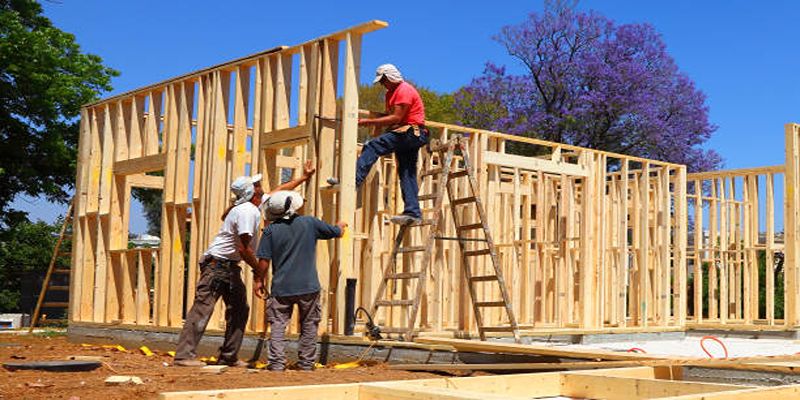
While building a house involves many expenses, there are ways to stay on budget:
- Create a Detailed Plan: Work with your architect or contractor to map out every detail before breaking ground. Clarifying your plan upfront reduces costly changes during construction.
- Set a Realistic Budget: Include your expected construction costs as well as a contingency fund for unexpected expenses.
- Compare Contractor Bids: Don’t settle for the first contractor you find. Get multiple bids to ensure you're getting value for money.
- Make Smart Material Choices: Choose materials that offer the best balance of cost and quality.
- Stick to Your Prioritized Features: Focus on must-haves and avoid splurging on features you can live without.
Conclusion
Building a home can be one of the most rewarding projects you’ll undertake, but managing costs effectively is crucial. By understanding the factors that influence construction prices and planning carefully, you can achieve your dream home without blowing your budget. If you’re ready to take the next step, connect with experienced contractors, architects, or designers who can help bring your vision to life.