The gallbladder, a small organ located beneath the liver, plays a crucial role in digestion by storing and releasing bile. However, various conditions can affect its function, causing discomfort or health complications. Understanding these conditions and their solutions is essential for maintaining gallbladder health and ensuring proper digestive system performance.
1. Gallstones (Cholelithiasis)
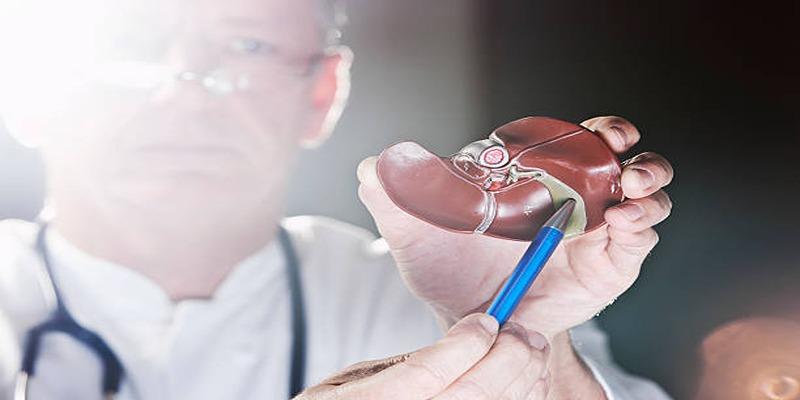
Gallstones are hardened deposits which develop in the gallbladder. These rocks are of the size of a grain of sand to a golf ball. They mostly consist of cholesterol or bilirubin.
Causes:
- Imbalance in the bile’s chemical composition
- Slow emptying of the gallbladder
- High cholesterol levels in bile
Symptoms:
- Acute and sharp pain in the right upper part of the abdomen
- Bloating and abdominal pains, Nausea
- Pain between meals or after a fatty meal
Solutions:
- The detection is initiated by ultrasound diagnosis.
- Non-surgical treatment involves the use of medicines that aids in the disintegration of cholesterol based stones, but they are time consuming and not 100 percent effective.
- Cholecystectomy ( surgical removal of the gallbladder) is usually prescribed in repeated cases of the stones or when they lead to severe symptoms.
- Changes in lifestyle preventing the occurrence of recurrence include a healthy weight, a low-fat diet.
2. Gallbladder Inflammation (Cholecystitis)
Cholecystitis is an inflammation of the gallbladder, most likely due to the presence of gallstones in the bile ducts. It may be acute (sudden occurrence) or in the case of chronic ones it occurs with time.
Causes:
- Gallstones obstructing the bile duct
- Infections or injury to the gallbladder
- Bile build-up causing irritation
Symptoms:
- Severe pain in the upper right or center abdomen
- Fever and chills
- Abdominal tenderness and swelling
Solutions:
- Hospital treatment may be required for acute cases, including fasting, fluid therapy, and antibiotics.
- Surgical removal is often the long-term solution to prevent future episodes.
- Chronic cases require monitoring, with surgery often advised to avoid complications like perforation or gangrene.
3. Bile Duct Obstruction
Obstruction of the bile ducts prevents bile from flowing from the gallbladder and liver to the small intestine. This can lead to serious infections and liver problems if not addressed promptly.
Causes:
- Gallstones lodged in the ducts
- Narrowing or scarring from previous surgeries
- Growths or swellings in the bile ducts
Symptoms:
- Jaundice (yellowing of the skin and eyes)
- Dark-colored urine and light-colored stools
- Abdominal pain and itching
Solutions:
- Imaging tests like MRI or endoscopic ultrasound are used for diagnosis.
- Endoscopic removal using a procedure called ERCP (Endoscopic Retrograde Cholangiopancreatography) may be performed.
- Surgical bypass or stent placement is an option if blockage is due to narrowing or structural damage.
4. Gallbladder Polyps
Gallbladder polyps are growths or lesions that protrude from the lining of the gallbladder. Most are benign and cause no symptoms.
Causes:
- Abnormal tissue growth
- High cholesterol levels within the gallbladder wall
- Inflammation
Symptoms:
- Usually asymptomatic
- Occasionally, mild abdominal discomfort
Solutions:
- Regular monitoring is essential for polyps smaller than 1 cm.
- Surgical removal of the gallbladder is advised for polyps larger than 1 cm or those showing signs of rapid growth, as they carry a higher risk of developing complications.
- Healthy dietary habits and managing cholesterol may help minimize polyp formation.
5. Gallbladder Sludge
Gallbladder sludge is a thick mixture of bile, cholesterol, and calcium salts. It can be a precursor to gallstones and cause similar symptoms.
Causes:
- Decreased gallbladder movement
- High cholesterol content in bile
- Bile concentration due to dehydration
Symptoms:
- Mild pain or discomfort in the upper abdomen
- Nausea, particularly after meals
Solutions:
- Ultrasound imaging confirms the presence of sludge.
- Lifestyle modifications, including hydration, regular meals, and low-fat diets, can reduce risk.
- Surgical removal is considered if sludge leads to inflammation or stone formation.
- Medical supervision is key in recurrent cases.
6. Functional Gallbladder Disorder (Biliary Dyskinesia)
This condition involves poor gallbladder function without the presence of stones. The gallbladder does not empty bile efficiently, leading to digestive discomfort.
Causes:
- Reduced gallbladder motility
- Hormonal or nerve signaling issues
Symptoms:
- Intermittent pain in the upper abdomen, often after eating
- Nausea, bloating, and indigestion
Solutions:
- HIDA scan is used to measure gallbladder ejection fraction.
- Surgical removal is recommended if the gallbladder shows poor function.
- Dietary adjustments like smaller meals and reduced fat intake often provide relief for mild cases.
7. Gallbladder Infection (Empyema)
Empyema occurs when pus forms in the gallbladder due to untreated cholecystitis. This is a serious medical emergency that requires immediate intervention.
Causes:
- Untreated or delayed treatment of gallbladder inflammation
- Obstruction leading to bacterial growth
Symptoms:
- Severe abdominal pain and tenderness
- Fever and chills
- Signs of sepsis in advanced cases
Solutions:
- Emergency treatment involves antibiotics and fluid replacement.
- Drainage procedures or surgery to remove the gallbladder is often required.
- Follow-up care ensures no residual infection or bile leakage occurs.
8. Porcelain Gallbladder
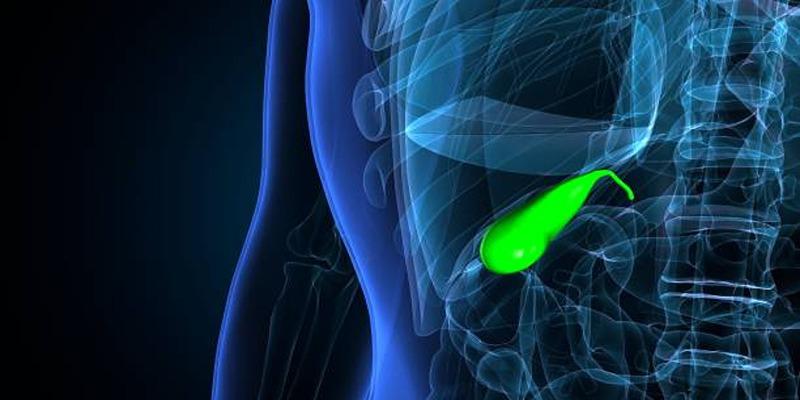
A porcelain gallbladder refers to extensive calcium buildup in the gallbladder wall. It’s rare but is linked with increased long-term risk of complications.
Causes:
- Chronic inflammation of the gallbladder, a condition where the gallbladder remains persistently irritated or swollen over time, often leading to discomfort and potential complications.
- Repeated episodes of cholecystitis, characterized by multiple occurrences of gallbladder inflammation, which can cause pain, nausea, and impact digestive health if left untreated.
Symptoms:
- Often shows no noticeable symptoms, making it difficult to detect without medical evaluation.
- In some cases, it may cause occasional discomfort or mild irritation, depending on the individual and circumstances.
Solutions:
- CT scans or X-rays are commonly used diagnostic tools that can detect calcification, helping doctors to identify and assess the severity of the condition.
- Preventive surgery is often the preferred course of action, as it helps to mitigate the risk of potential future complications.
- Ongoing monitoring becomes crucial if surgery is delayed or deemed unnecessary in the short term. Regular check-ups and imaging allow healthcare providers to track any changes, ensuring the condition is managed effectively and any emerging risks are promptly addressed.
Preventive Measures for Gallbladder Health:
Maintaining gallbladder health begins with proactive choices:
- Balanced diet: Include fiber-rich vegetables, fruits, and whole grains. Avoid overly greasy or fried foods.
- Hydration: Drinking adequate water supports bile consistency and gallbladder function.
- Healthy weight: Avoid rapid weight loss, as it can trigger gallstone formation.
- Regular meals: Skipping meals can reduce gallbladder activity and promote bile stasis.
Conclusion:
The gallbladder may not receive as much attention as other organs, but its health plays a critical role in digestion and overall well-being. From common conditions like gallstones and inflammation to rarer issues like porcelain gallbladder, early detection and timely management are essential. Through healthy lifestyle choices, medical supervision, and surgical interventions when necessary, most gallbladder conditions can be effectively managed or prevented.