Diet drinks are popular alternatives to sugary beverages, often marketed as a healthier choice. They contain artificial sweeteners instead of sugar, offering fewer calories. However, their impact on health continues to stir debate. Understanding the potential benefits and risks of diet drinks is essential for making informed decisions about their consumption.
What Are Diet Drinks?

Diet drinks are beverages that are typically low in or free from sugar and calories. To achieve this, they are sweetened with artificial or alternative sweeteners such as aspartame, sucralose, or stevia. These drinks are designed to mimic the taste of traditional sugary beverages without the high caloric content, making them appealing to those looking to reduce their sugar intake or manage their weight.
Common examples of diet drinks include diet sodas, sugar-free energy drinks, and low-calorie flavored waters. Despite their popularity, it is important to examine their ingredients and potential health implications to understand their overall impact on the body.
Common Artificial Sweeteners Found in Diet Drinks
Diet drinks often contain artificial sweeteners to provide sweetness without the calories. Below are some of the most common artificial sweeteners found in diet beverages and their characteristics:
Aspartame
Aspartame is the most popular ones of the artificial sweeteners that are widely spread in the production of diet sodas and sugar-free products. It is approximately 200 times sweeter in comparison to sugar, and thus one can use just a little amount to attain the desired sweetness. Nonetheless, there is a probability of being sensitive to aspartame and this is the reason that much research has been done on the effects of the long-term consumption of aspartame.
Sucralose
Another widely used sweetener is Sucralose which can be used both in drinks and cakes since it can be used even at the high temperatures. Its sweetness is some 600 times more than that of sugar; this is why it is frequently sold as a substitute to sugar. It is known as a safe substance although, in large doses, it can lead to digestive imbalances.
Saccharin
Over a hundred years, saccharin has been used as a zero-calorie sweetener. It is 300 or 400 times sweeter than sugar and is used in many diet drinks and table-top sweetener. It is safe in low and moderate intake even though studies in the past have raised concern on its safety.
Stevia
Stevia is a natural sweetener that is extracted by the leaves of the steveia plant. Its superior features include not containing calories, and has been consumed largely by people in search of more natural options to artificial sweeteners. Although its taste is a little bit different than sugar, it is safe, and it is less probable to be able to produce adverse side effects.
Acesulfame Potassium (Ace-K)
Acesulfame potassium, commonly referred to as Ace-K, is another calorie-free sweetener frequently blended with other artificial sweeteners. It is stable at high temperatures and enhances the overall sweetness profile of diet drinks. Although it has been approved as safe, some consumers report a slightly bitter aftertaste.
Health Benefits of Diet Drinks
Diet drinks are often marketed as healthier alternatives to sugary beverages, offering a range of potential benefits. Below are some key aspects to consider:
Weight Management
Weight management is also one of the most attractive aspects of diet drinks. This is achieved by substituting sugar with low or no-calorie sweeteners in the beverages to give the consumers the sweetness without the additional calories. It may come in handy, especially to individuals wishing to cut down on their food calories and to stay in shape. These beverages should however be complemented with a generally balanced diet with an involved exercise to get long lasting results.
Reduced Risk of Tooth Decay
Sugar is a leading contributor to tooth decay, as it fuels the growth of harmful bacteria in the mouth. Diet drinks use artificial sweeteners instead of sugar, which are not fermentable by oral bacteria. This makes them a favorable choice for individuals looking to reduce their risk of cavities and maintain better oral hygiene, especially when consumed in moderation.
Suitable for Diabetes Management
For individuals managing diabetes, diet drinks can be a practical alternative to sugary beverages. Artificial sweeteners do not cause the same spikes in blood sugar levels as regular sugar, making them a safer option. However, those with diabetes need to consult healthcare professionals to assess how these drinks fit into their overall dietary plan.
Variety and Taste without Guilt
Diet drinks are available in an extensive variety of flavors, catering to different preferences while offering a calorie-free alternative to traditional sodas and juices. They allow consumers to enjoy refreshing beverages without the guilt associated with high sugar consumption. This variety helps maintain satisfaction for those attempting to follow healthier lifestyle choices.
Potential Risks of Diet Drinks
While diet drinks offer several benefits, it is important to consider the potential risks associated with their consumption. These risks may impact overall health and well-being:
- Artificial Sweeteners: Many diet drinks contain artificial sweeteners such as aspartame or sucralose. Though they reduce calorie intake, some studies suggest these sweeteners may influence gut health, trigger cravings, or disrupt metabolic processes in certain individuals.
- Addiction to Sweetness: Consistently consuming diet drinks can condition the palate to prefer overly sweet tastes, potentially leading to an increased desire for sugary foods and beverages, which can counteract healthy eating goals.
- Impact on Dental Health: The acidic nature of carbonated diet drinks can erode tooth enamel over time, contributing to dental issues such as cavities and sensitivity, despite the lack of sugar in these beverages.
Tips for Moderating Diet Drink Consumption
While diet drinks can be enjoyed occasionally, moderation is key to minimizing their potential downsides. Here are some tips to help manage consumption effectively:
- Set Limits on Intake: Establish a daily or weekly limit for diet drink consumption to prevent overindulgence. Replacing some servings with water or herbal tea can help reduce dependency while keeping you hydrated.
- Opt for Smaller Portions: Choosing smaller can or bottle sizes can help control portion sizes and reduce overall intake without feeling deprived.
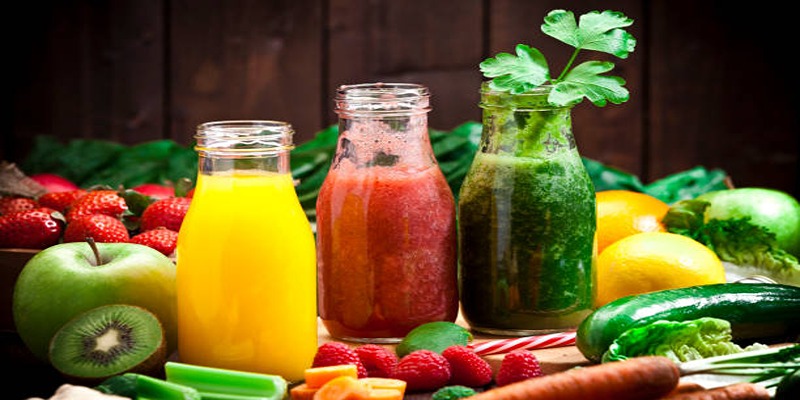
- Diversify Your Beverage Choices: Incorporate a variety of healthier options like infused water, natural juices, or unsweetened sparkling water to lessen reliance on diet drinks while keeping hydration enjoyable.
- Be Mindful of Triggers: Identify situations or habits that prompt you to reach for diet drinks, such as stress or eating particular foods, and explore alternative ways to address these triggers.
- Focus on Gradual Reduction: Gradually decreasing the frequency of consumption can make the transition away from diet drinks feel more manageable and sustainable in the long term.
Conclusion
Breaking free from diet drinks can be a rewarding step toward a healthier lifestyle. By implementing small, purposeful changes, you can reduce dependence on artificially sweetened beverages and discover more nourishing alternatives. Experiment with flavored herbal teas, fresh fruit infusions, or switching to plain water to find options that suit your taste preferences. It’s essential to approach the process with patience and persistence, recognizing that lasting change often comes through steady progress.